Conquering Data Silos: Causes, Challenges and Strategies
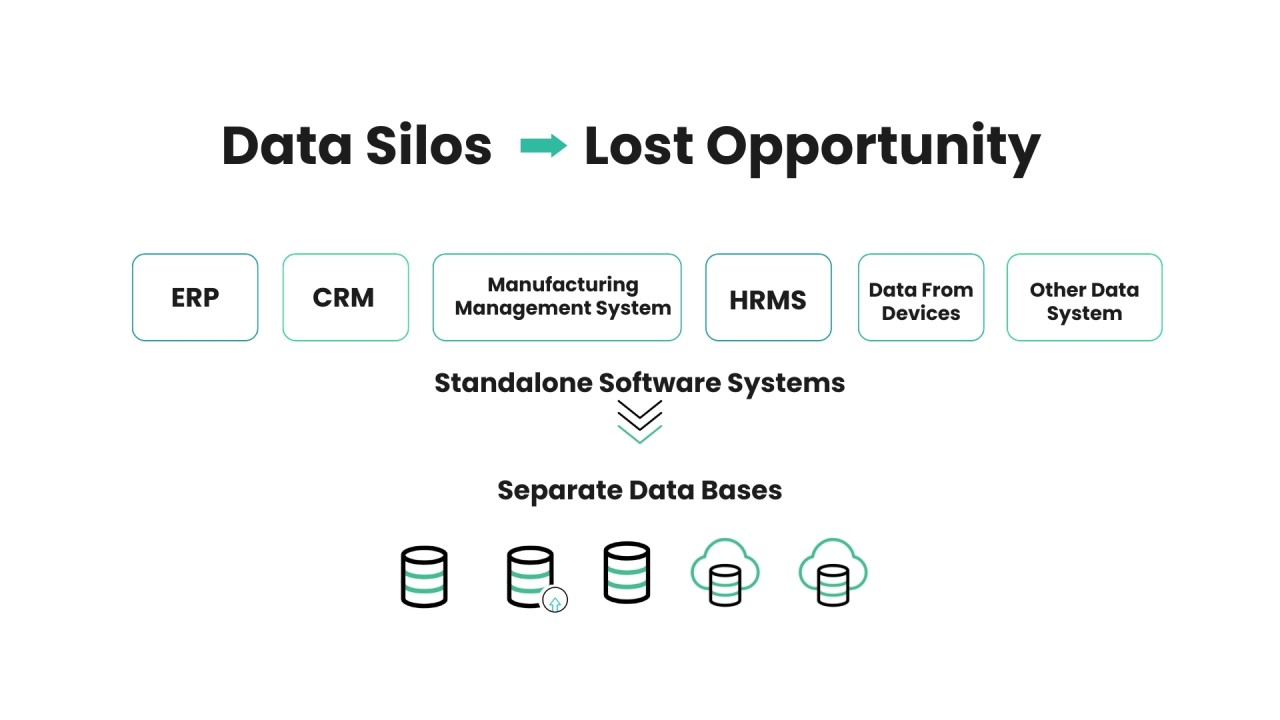
Today, every business holds a wealth of information, and yours may not be an exception! But this information often resides in isolated pockets, creating data silos that hinder effective decision-making. According to IDC Market Research, organizations risk sacrificing up to 30% of their annual revenue due to siloed data.
In this article, we explore the causes of data silos, the challenges posed by them and various strategies to break down these silos and tap into the true potential of your data.
Causes of Data Silos
Diverse Systems and Software
Departments within organizations often utilize different technology solutions and tools, such as spreadsheets or CRM systems, which were not designed to facilitate easy information sharing. These legacy systems store data in proprietary formats, making it challenging to share datasets across departments.
Integration Challenges
A lack of data integration capability or non-availability of APIs for legacy systems prevents systems from communicating effectively, resulting in disjointed data sources. This hampers data management, leads to inaccurate insights, and slows decision-making processes, particularly when crucial systems like sales and marketing platforms are not integrated.
Varied Team Collaboration
Limited visibility across teams fosters parallel work and inefficient resource utilization. When teams operate within their own data silos, it promotes individual objectives over enterprise-level goals, creating a fragmented organization. This variability in team collaboration can inadvertently lead to data duplication and mismanagement.
Absence of Centralized Data Source
The absence of a centralized data repository hinders seamless data access and connectivity across the organization. By consolidating disparate business tools and databases into a central database, organizations can enhance data flow, expedite insights, and bolster business agility.
Data Quality and Integrity Issues
Inaccurate, incomplete, or outdated data complicates integration efforts, resulting in isolated data sets within departments. Poor data quality introduces inconsistencies in information flow, hampering informed decision-making. Ensuring data accuracy and completeness is essential for mitigating data silos.
Accessibility Challenges
Difficulty accessing relevant data aggravates data silos, as data remains dispersed across various sources. This fragmentation impedes data sharing and management, particularly when disparate business tools and databases lack full integration, leading to suboptimal data management practices.
Unclear Data Policies
Unclear data management policies allow individual units to adopt disparate data management methods, contributing to fragmented data. This lack of standardized guidelines encourages the creation of micro-data silos within applications and devices, hindering data cohesion and accessibility.
According to IDC Market Research, organizations risk sacrificing up to 30% of their annual revenue due to siloed data.
Challenges of Data Silos
Inadequate Data Visibility
Data silos result in fragmented views of information, leading to missed insights, lost opportunities, and communication gaps. With data scattered across various silos, essential connections between datasets are often overlooked, hindering the development of a comprehensive understanding of business operations. For example, customer profiles may be segmented across multiple silos, preventing a holistic, 360-degree view of the business.
Reduced Collaboration
The presence of data silos promotes a less collaborative environment within organizations. Each team operates independently, solely relying on the data within their own silo. This isolation creates organizational divisions, hindering cross-team collaboration and impeding the alignment of the company’s goals and vision.
Resource Waste
Data silos lead to redundant storage of information across different departments, resulting in wasted storage space and increased costs. Consolidating data onto a unified platform accessible to all employees would optimize storage efficiency and reduce unnecessary duplication.
Data Inconsistencies
Fragmented data stored in different locations often leads to inconsistencies and inaccuracies. Updates made in one silo may not be reflected in others, causing data skewing and outdated information. This inconsistency worsens over time, compromising data quality and reliability, especially when different teams access their own versions of the same data.
Customer Experience Challenges
Data silos disrupt the end-to-end customer journey by hindering the seamless flow of information across various touchpoints. With interactions occurring through multiple channels and departments, maintaining a cohesive customer story becomes challenging. Customers may encounter repeated requests for information as their data is not effectively shared across teams.
Security Risks
Storing data in isolated silos increases security risks, especially if employees store sensitive information on personal devices without adequate safeguards. Compliance with data privacy regulations becomes complicated as tracking access permissions and ensuring data protection become increasingly challenging in fragmented data environments.
Strategies to Break Down Data Silos
Data – Your Company Asset
The first step is acknowledging the value of your data. You should treat all data, from customer records to internal operations metrics, as a central company asset. This requires centralized control for data quality, compliance, and security. You also need to focus on reducing irrelevant data and making relevant data readily available for cost-effective analysis.
Centralized Data Hub
Is your company on a path to becoming a data-driven enterprise? A crucial element of this journey is having access to high-quality, centralized data. Investing in a central data platform to collect and clean data from various systems across your organization. Your chosen platform should empower visibility from lead generation to customer support and billing, providing a unified view of your operations.
One Version of the Truth
Imagine the confusion if every department in your company used slightly different terms or formats for the same data point. This is a common silo effect. By consolidating data vendors and creating a single source of truth, you can ensure all relevant teams can access consistent and reliable data. This not only improves productivity and reduces errors but also fosters better collaboration across departments.
Speaking the Same Language
Just as a shared language is essential for clear communication, consistent data formatting is key to breaking down silos. You need to standardize naming conventions across all departments and establish data governance best practices. This ensures clarity and consistency in how data is defined and stored, preventing fragmentation and confusion. Proper data organization is fundamental to transforming data into actionable insights and avoiding inefficiencies.
Leveraging Modern BI tool: SOL BI
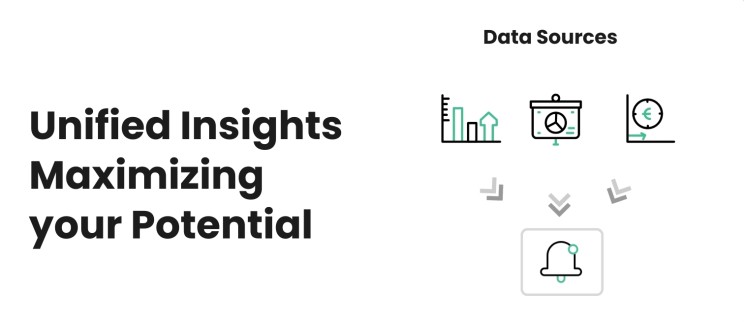
What if a single tool can help you implement all the above strategies? Yes! SOL BI, an advanced BI tool, can be a valuable weapon in your fight against data silos. Harnessing the power of generative AI, SOL BI integrates data from multiple sources within your organization and provides you with a holistic view of your business data.
It ensures that no blind spots hinder your decision-making by eliminating the need for departments to rely on their own interpretations of the data. You can access data across departments and visualize data in a unified manner, empowering you to make data-driven decisions in a true sense.
Finally…
By implementing a data-centric approach, promoting collaboration across departments, and leveraging the right technological solutions, you can dismantle data silos and harness the full potential of your business data. This empowers your business with informed decision-making and streamlined operations while unlocking new avenues for growth.